 Schedule a Tour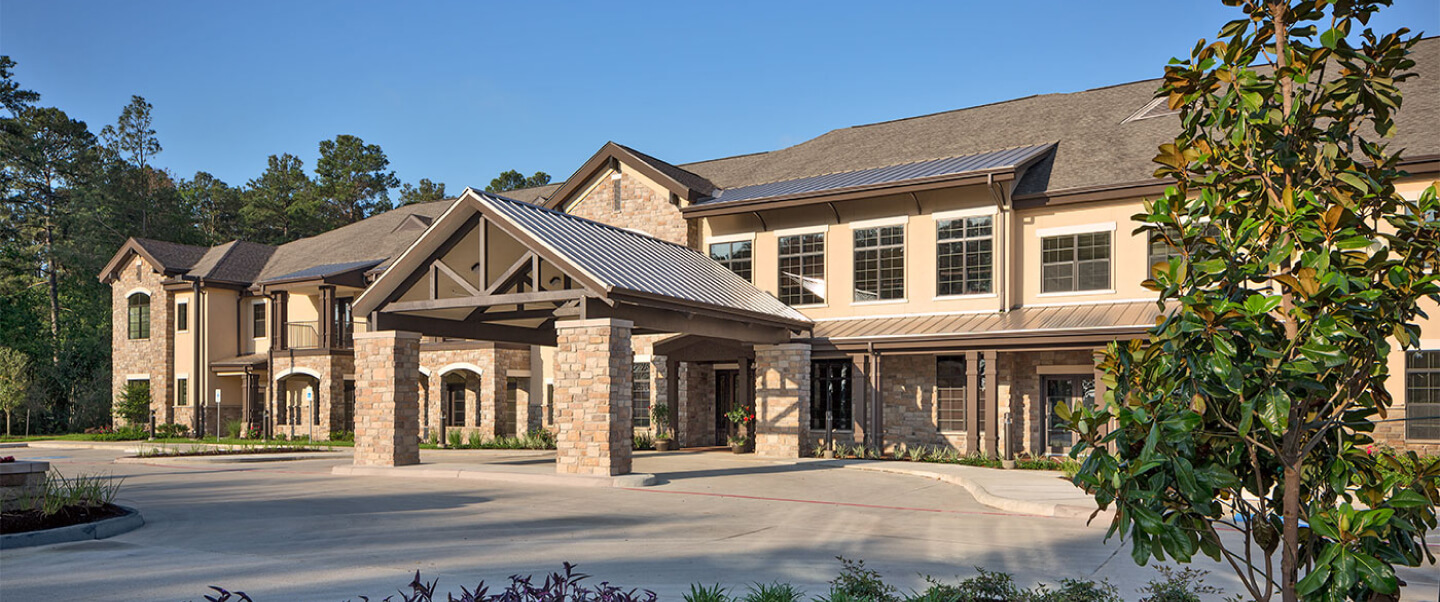
Spring Creek Village
Nursing Home vs Assisted Living in Spring, TX: Making a Confident Care Decision for Your Family
In Spring, Texas, families are often close nearby. Adult children live close, grandkids are in the mix, and weekend visits can feel like part of the normal rhythm of life. That closeness is a gift, but it can also make senior care decisions feel more personal and more emotional. If you’re trying to figure out the right support level for a parent or loved one, you’re likely balancing work, your own household, and caregiving concerns all at once.
One of the biggest sources of confusion is language. Families often hear nursing home and assisted living used like they mean the same thing. They don’t. These options represent very different levels of medical care, daily support, and lifestyle experience. Choosing well matters because you want your loved one safe and supported, but you also don’t want to move them into a medical environment before it’s truly necessary.
This article will help you sort through the difference with clarity. We’ll cover:
- How assisted living and skilled nursing differ
- What daily life looks like in each environment
- How medical needs influence care level decisions
- Cost and length-of-stay considerations in the Spring area
- How families can plan for changing care needs over time
What Is the Difference Between Nursing Homes (Skilled Nursing) and Assisted Living?
Assisted living supports older adults who need help with daily activities but do not require continuous medical care. Nursing homes (skilled nursing facilities) provide 24/7 licensed medical supervision for individuals with complex or ongoing health needs.
That’s the heart of it. Assisted living is lifestyle-forward. It’s built around daily routines, dignity, and support with everyday tasks. Nursing homes are medically driven. They exist to deliver clinical treatment, rehabilitation, and frequent monitoring that can’t be safely handled elsewhere.
The primary difference is the level of medical care versus personal assistance. Assisted living emphasizes independence, community engagement, and tailored support. Nursing homes prioritize medical stability, therapy services, and around-the-clock nursing oversight. The right setting depends on health complexity, safety needs, and personal goals, not a one-size-fits-all timeline.
What Does Assisted Living Look Like in a Community Like Spring Creek Village?
Assisted living in Spring often fits the way local families live: suburban comfort, familiar routines, and strong involvement from loved ones. Many older adults here want to stay near family, keep their normal preferences intact, and still feel like themselves, even as they begin to need a little more help day to day.
In an assisted living community like Spring Creek Village, the goal is consistent support without turning life into a medical schedule. Residents typically have help with daily activities while keeping privacy, autonomy, and a comfortable pace. That can mean starting the morning with support getting ready, then enjoying restaurant-style dining, a favorite activity, or a relaxed conversation with neighbors. It’s still home, just with the reassurance that help is available.
Assisted living is also well-suited for people who want connection without pressure. Some residents enjoy group programs; others prefer smaller, meaningful interactions. Either way, community life can provide stability, routine, and a sense of belonging, which often matters just as much as the practical support.
What Types of Support Are Typically Included in Assisted Living?
Assisted living typically includes support such as:
- Assistance with bathing, dressing, grooming, and mobility
- Medication reminders or management
- Chef-prepared meals and dining services
- Housekeeping and laundry
- Transportation for appointments and errands
- Wellness programs and fitness activities
- Social programming, outings, and events
- Team member availability for safety and support
Assisted living works best for individuals whose medical conditions are stable, but who benefit from daily assistance, a secure environment, and consistent community support.
When Does Skilled Nursing Become the Right Level of Care?
Nursing homes provide continuous medical supervision and skilled nursing care for individuals who require frequent medical treatment or rehabilitation.
Skilled nursing becomes the right fit when medical needs are too complex to be safely supported in assisted living. Nursing homes are designed for situations that involve intensive care management, including:
- Recovery after surgery, stroke, or hospitalization
- Complex medication management requiring licensed oversight
- Advanced mobility limitations that require hands-on clinical support
- Chronic medical conditions needing frequent monitoring
- Rehabilitation therapies such as physical, occupational, or speech therapy
A nursing home environment prioritizes medical stability over lifestyle amenities. It’s a necessary option for many people at certain stages, especially after a medical event or during periods of high clinical need.
Assisted Living vs Nursing Homes in Spring: How They Compare
Families often find it easier to compare these two care types side by side rather than through definitions alone.
| Category | Assisted Living | Nursing Home (Skilled Nursing) |
| Primary Purpose | Supports daily living while preserving independence and quality of life. | Provides continuous medical care and supervision. |
| Medical Care | Limited medical oversight; not 24/7 nursing care. | 24/7 licensed nursing care and medical treatment. |
| Daily Support | Help with bathing, dressing, meals, mobility, and medication reminders. | Full daily care plus medical therapies and treatments. |
| Living Environment | Apartment-style or residential community setting. | More clinical or hospital-like environment. |
| Independence Level | High autonomy with support as needed. | Lower independence due to medical dependency. |
| Rehabilitation Services | Typically coordinated externally if needed. | On-site physical, occupational, and speech therapy. |
| Length of Stay | Often long-term residential living. | Can be short-term rehab or long-term medical care. |
| Typical Cost Range | Generally lower than skilled nursing. | Significantly higher due to medical staffing. |
Care needs can evolve, and transitions between care levels are common. For example, an assisted living resident may eventually need memory support if cognitive changes increase. Spring Creek Village offers the SOAR memory care program, a dedicated memory care neighborhood designed to provide specialized support while preserving comfort, dignity, and meaningful connection.
How Do Spring, TX Families Know Which Level of Care Makes Sense?
This decision is practical, but it’s also emotional. Many families worry about waiting too long and risking safety, or acting too soon and taking away independence. A helpful approach is to aim for right-sized care: not too little support, not premature medicalization.
Key factors families often consider include:
- Medical complexity and chronic conditions: Are health needs stable or frequently changing?
- Ability to safely perform daily activities: Can your loved one manage dressing, bathing, and meals without risk?
- Fall risk and mobility concerns: Are there recent falls or unsafe movement patterns?
- Cognitive changes and safety awareness: Is memory loss affecting judgment, wandering risk, or medication management?
- Family proximity and support availability: How much hands-on care can family realistically provide?
- Desire for independence and social engagement: Would your loved one thrive with community support and programming?
- Financial planning considerations: What level of care is sustainable long-term?
If you’re uncertain, that’s normal. Physician input, care assessments, and honest conversations can help you land on a decision that feels both safe and respectful.
Planning for Long-Term Care Needs in the Spring, TX Area
Assisted living supports independence and daily comfort. Nursing homes provide intensive medical care. The right choice depends on health needs, safety, and lifestyle goals.
If you’re planning ahead in Spring, one of the kindest things you can do is avoid waiting for a crisis. Ask questions. Tour communities. Speak with care professionals. When decisions are made calmly, families tend to feel more confident, and loved ones tend to feel more supported.
To learn more about assisted living or memory care options at Spring Creek Village, you can call (713) 797-2085 or visit our website and fill out a form to be contacted.
FAQ
Does Medicare or Medicaid Pay for Skilled Nursing or Assisted Living?
Medicare may cover short skilled nursing stays under specific conditions, typically after a qualifying hospital stay. Medicaid may sometimes help cover skilled nursing care for eligible individuals, but it typically does not cover assisted living room and board.
How Do Doctors and Hospitals Help Determine Whether Someone Needs Skilled Nursing?
Physicians, discharge planners, and care teams often assess medical needs, rehabilitation requirements, mobility limitations, and safety risks. If someone requires frequent monitoring, clinical treatments, or structured rehab services, skilled nursing may be recommended.
Can Someone Receive Short-Term Rehabilitation in a Nursing Home and Then Move to Assisted Living?
Yes. Some people complete rehabilitation in a skilled nursing setting after surgery or hospitalization and then transition into assisted living once medical needs stabilize and daily support becomes the primary focus.
Helpful Links for Senior Living
Related Reading
- Difference Between Memory Care and Assisted Living: A Guide for Adult Children & Caregivers
- How Much Does Assisted Living Cost at Spring Creek Village in Spring, TX?
- The Benefits of Outdoor Activities for Seniors
Spring Creek Village is proudly part of The Aspenwood Company’s Senior Living family. Our senior living community in Spring, TX offers Assisted Living and Memory Care designed to support independence, comfort, and meaningful connection. With beautifully appointed residences, engaging activities, and personalized services, we reflect The Aspenwood Company’s commitment to helping every resident Live Life Well®. We are proud that the following communities are also part of The Aspenwood Company’s senior living family: Village on the Park Stonebridge Ranch, Village on the Park Plano, The Doliver of Tanglewood, The Village of the Heights, Village on the Park Denton, The Village of Meyerland, Village on the Park Bentonville, Wood Glen Court, Spring Creek Village, Village on the Park Rogers, The Village at the Triangle, Village on the Park Onion Creek, Heartis Mid Cities, and Village on the Park McKinney. No matter which community you choose, our shared goal is to help each resident feel safe, valued, and at home.