 Schedule a Tour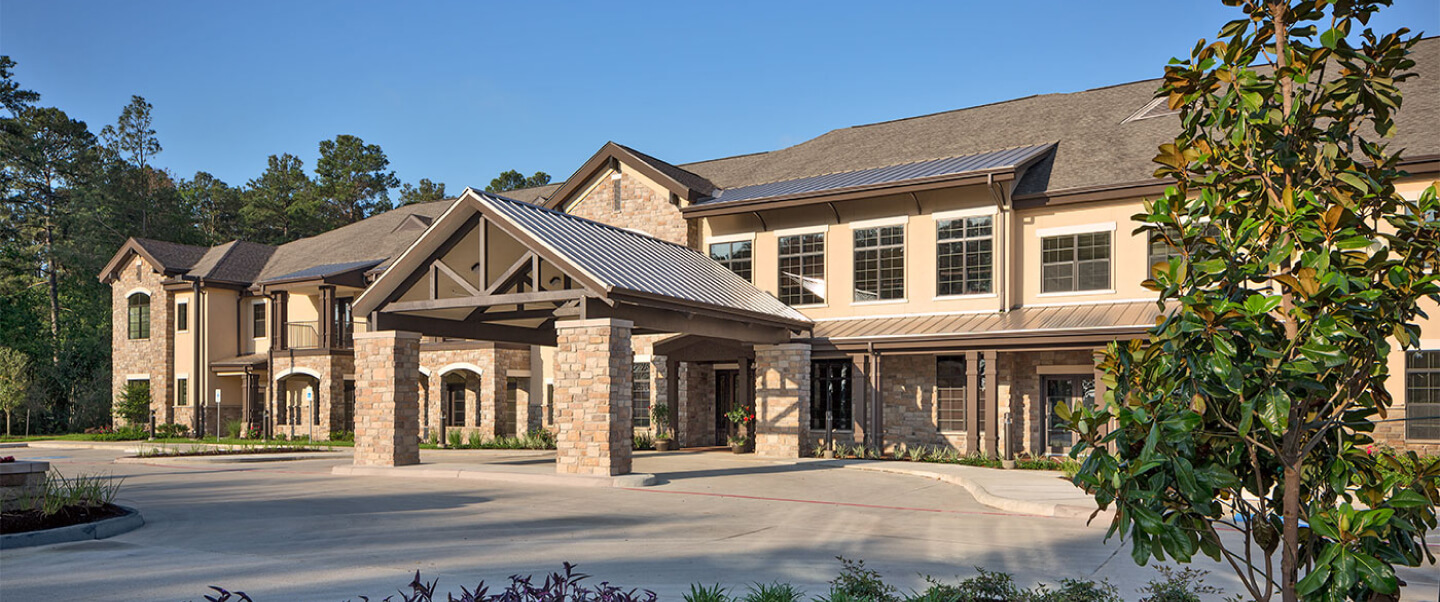
Spring Creek Village
Rehabilitation (Post Acute Care) vs Nursing Home (Skilled Nursing Facility)
It often starts with a phone call. Your parent had a fall, or a surgery didn’t go as smoothly as expected, and now the hospital is talking about discharge options. Rehabilitation and skilled nursing are terms that may sound familiar but suddenly carry a lot of weight when they involve someone you love.
For families here in Spring, a close-knit, family-oriented community where so many adult children live nearby and stay involved in their parents’ care, this moment can feel especially urgent. You want to make the right decision, but the options aren’t always clear. What’s the difference between rehab and a nursing home? How long does each one last? And once that phase of care is over, what happens next?
If those questions feel overwhelming, that’s completely understandable. Rehabilitation and nursing homes are often discussed together during discharge planning, yet they serve very different purposes and timelines. The good news is that understanding these differences can help your family plan ahead rather than react under pressure.
In this guide, we’ll walk through what each option involves, how they compare, and how assisted living can support your loved one’s next chapter once intensive medical care is no longer needed.
Here’s what we’ll cover:
- The purpose of post-acute rehabilitation
- What nursing homes (skilled nursing communities) provide
- How these options differ in care level and length of stay
- What typically happens after rehabilitation ends
- When assisted living may be the right next step
How Are Rehabilitation and Nursing Homes Different?
Rehabilitation (post-acute care) is short-term and focused on recovery after illness, injury, or surgery, while nursing homes provide long-term, around-the-clock medical care for individuals with complex or ongoing health needs. The difference comes down to whether the goal is recovery or continuous medical support.
Families in Spring and the surrounding North Houston area often encounter both options during the discharge planning process. Hospital case managers may present these paths side by side, which can make them seem interchangeable. However, the right choice depends on several important factors:
- Recovery expectations: what the doctors anticipate in terms of improvement
- Medical stability: how stable your loved one’s condition currently is
- Length of care required: whether support is needed short-term or on an ongoing basis.
Understanding this distinction early makes a meaningful difference. Rather than reacting under pressure at the hospital, families who know what each option involves can plan ahead and make decisions with greater confidence and calm.
What Does Post-Acute Rehabilitation Typically Involve?
Post-acute rehabilitation provides temporary therapy and nursing care designed to help individuals regain strength, mobility, and independence following hospitalization.
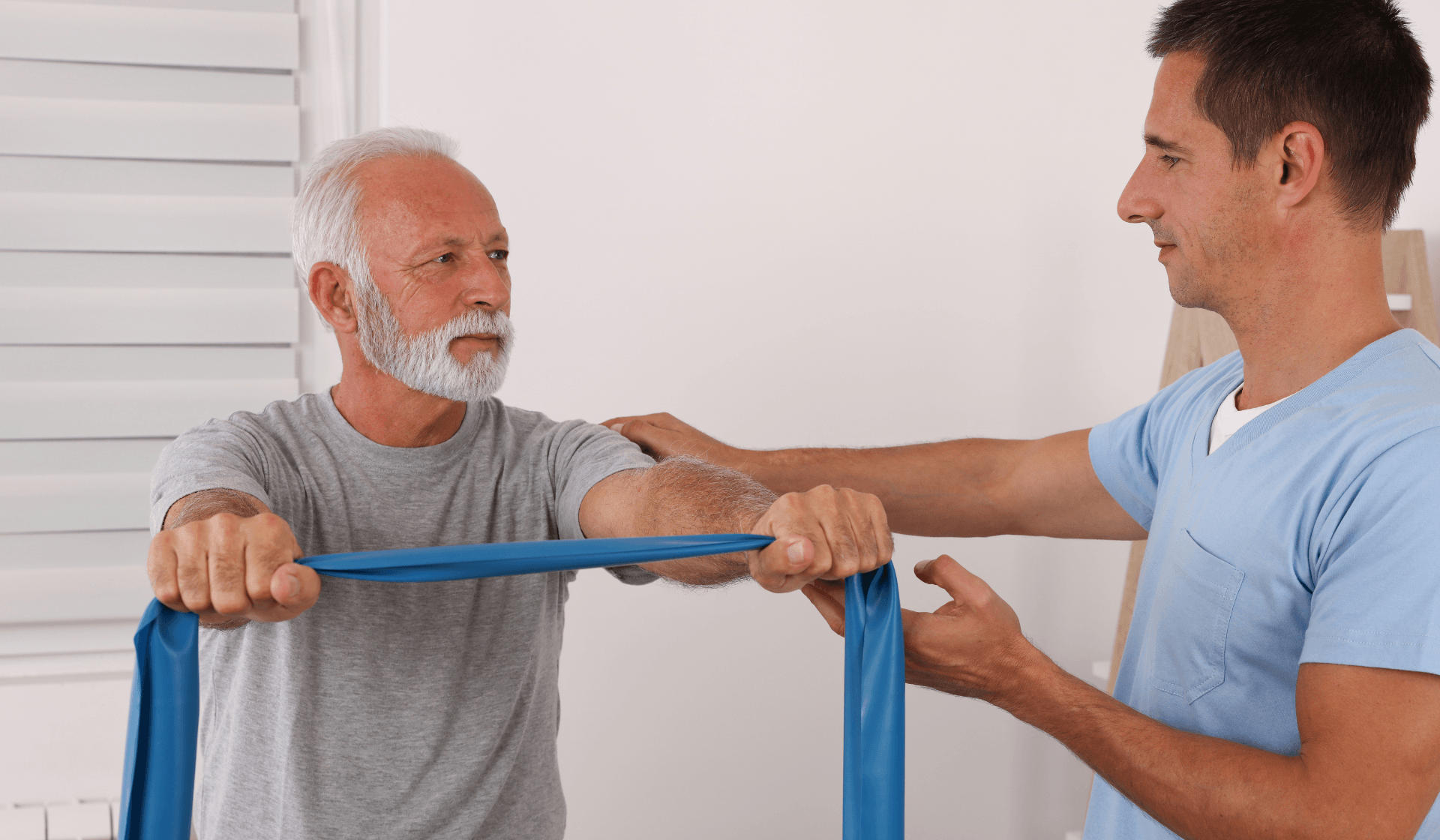
Rehabilitation is goal-oriented and time-limited. Therapy sessions, which may include physical, occupational, or speech therapy, are typically scheduled daily. A care team closely monitors each patient’s progress, adjusting the plan as milestones are reached. The objective is always the same, which is to help the individual recover enough to transition back home or to a lower level of care.
It’s important to know that rehabilitation is not intended as a permanent living solution. It’s a focused, clinical phase that bridges the gap between hospitalization and the next stage of a person’s care journey.
When Is Rehabilitation Commonly Recommended?
Doctors typically recommend post-acute rehabilitation in situations where meaningful recovery is expected, including:
- Recovery after orthopedic or cardiac surgery
- Healing after a stroke or serious illness
- Regaining mobility following a fall or injury
- Short-term recovery when functional improvement is anticipated
In each of these cases, the focus is on helping the individual rebuild their abilities, and not on providing ongoing, long-term care.
What Is a Nursing Home (Skilled Nursing Community)?
A nursing home, also known as a skilled nursing community, provides continuous licensed nursing care and medical supervision for individuals who require ongoing treatment and cannot safely live independently.
Nursing homes are appropriate when medical needs are complex or long-term. The care model is medical-first rather than lifestyle-focused, meaning the priority is clinical management and safety above all. Length of stay may be extended or, in some situations, permanent.
For families in the Spring and North Houston area, these decisions often arise after a period of rehabilitation when recovery stalls or when an underlying condition progresses in a way that requires more intensive support than what rehabilitation alone can offer.
Who Typically Needs Long-Term Skilled Nursing Care?
Long-term skilled nursing care is generally recommended for:
- Individuals with advanced or unstable medical conditions
- Those requiring frequent nursing interventions throughout the day
- People unable to safely perform daily activities without clinical support
- Individuals needing continuous medical supervision around the clock
The distinction matters: rehabilitation is designed to help someone get better and move forward, while long-term skilled nursing care provides sustained medical support when that level of recovery may not be possible.
Rehabilitation vs Nursing Home Care: A Side-by-Side Overview
To help clarify the differences at a glance, here’s a quick comparison of post-acute rehabilitation and nursing home care:
| Category | Rehabilitation (Post-Acute Care) | Nursing Home (Skilled Nursing) |
| Primary Purpose | Short-term recovery | Long-term medical care |
| Length of Stay | Temporary | Often long-term |
| Medical Intensity | Moderate, recovery-focused | High, ongoing |
| Therapy Services | Daily, goal-driven | Limited or maintenance |
| Living Environment | Clinical, transitional | Medical-focused |
| Discharge Goal | Return home or lower care | Continued medical support |
| Best Fit For | Patients expected to improve | Patients with chronic needs |
Many individuals transition out of rehabilitation into another care setting once their therapy goals are met. For some, that means returning home. For others, it means exploring a supportive environment like assisted living that offers daily help without the clinical intensity of a nursing home.
What Happens After Rehabilitation Ends?
The end of rehabilitation is often a pivotal moment for families. The intensive therapy phase is complete, but the question of “what’s next?” can feel just as overwhelming as the initial hospital discharge.
When rehabilitation concludes, families typically need to reassess their loved one’s situation by asking some important questions:
- Is returning home safe, or are there fall risks and daily challenges that make it difficult?
- Is skilled nursing still necessary, or has the person’s condition stabilized?
- Would assisted living provide the right balance of support and independence?
It’s worth noting that assisted living is best understood as a step-down from medical care, not a step-up. It’s designed for individuals who are medically stable but still benefit from daily support, social connection, and a structured routine that helps them thrive.
How Assisted Living Supports Recovery and Daily Life in Spring
While Spring Creek Village does not provide rehabilitation or skilled nursing services, our assisted living community in Spring, Texas, is designed to support residents who are medically stable and ready for the next phase of their care journey.
For many seniors transitioning out of a rehabilitation setting, assisted living offers meaningful benefits that support continued recovery and long-term well-being. Daily assistance with tasks like bathing, dressing, and medication management reduces the risk of falls and medication errors. Consistent routines help rebuild confidence after a hospital stay. The opportunity for social engagement, through activities, shared meals, and community connection, supports emotional health during what can be a vulnerable time.
Learn more about assisted living in Spring, TX.
Our approach to care at Spring Creek Village is rooted in what matters most to residents and their families, which is a calm, residential environment where every person feels at home. Personalized care plans are developed around each resident’s unique needs and preferences. Our relationship-centered support means team members know residents by name, understand their routines, and provide care with dignity, comfort, and stability at the center of everything we do.
If cognitive needs change over time, Spring Creek Village also offers Memory Care, allowing residents to remain within a familiar and trusted community as their care evolves.
How Do Spring Families Know Which Path Is Right?
Choosing the right level of care for a loved one is deeply personal, and there’s no single answer that fits every situation. However, asking the right questions can bring clarity during a time that often feels uncertain.
As you evaluate next steps, consider these guiding factors:
- Is your loved one medically stable, or do they still require clinical monitoring?
- Have their therapy goals been completed, or is further rehabilitation needed?
- Can daily tasks like bathing, dressing, and meals be managed safely with some support?
- Is constant nursing supervision still required, or has the need decreased?
- What kind of environment best supports their long-term quality of life?
One of the most important things families can do is avoid defaulting to skilled nursing care when that level of medical intensity is no longer necessary. For many seniors, a supportive senior living community environment, like assisted living, offers a better quality of life while still providing the daily help they need.
Planning Ahead for Long-Term Senior Care in Spring, TX
Trying to make sense of care transitions can feel overwhelming, but understanding your options makes all the difference. Here’s what to keep in mind as you plan ahead: rehabilitation focuses on short-term recovery, nursing homes provide long-term medical care, and assisted living supports daily life once medical intensity decreases.
Spring Creek Village is here as a supportive resource for families during these transitions. As a trusted next step after rehabilitation, our community provides a warm, welcoming environment where residents can regain routine, rebuild confidence, and enjoy a meaningful daily life surrounded by compassionate care.
We encourage you to:
- Tour the Spring Creek Village community to see if Assisted Living is the right level of care for your loved one
- Speak with your loved one’s care professionals about their current needs and readiness for transition
Contact Spring Creek Village by calling (713) 797-2085 or fill out a short form to be contacted. We’re here to help you find the right option for your family.
Frequently Asked Questions
Can someone move into assisted living even if they are still regaining their strength?
Yes. Assisted living can be a wonderful option for individuals who are medically stable but still benefit from daily assistance as they continue to recover. Care plans at Spring Creek Village are personalized to each resident’s needs, which means support can be adjusted as strength and confidence grow over time. The goal is always to help residents feel safe, supported, and empowered in their daily routines.
How do families know when skilled nursing is no longer needed?
This is typically guided by the recommendations of your loved one’s physician and care team. Indicators include the completion of therapy goals, medical stability without the need for frequent clinical interventions, and the ability to manage daily activities with some level of support. If your loved one no longer requires around-the-clock medical supervision but still needs help with everyday tasks, it may be time to explore assisted living as the next step.
What role do families play during transitions after rehabilitation?
Families play a vital role during this transition. Being an advocate for your loved one means staying involved in conversations with the care team, observing how your parent or family member is progressing, and collaborating on decisions about what level of support is needed next. Asking questions, touring potential communities, and staying engaged in care planning all help ensure the transition feels smooth and supported.
Helpful Links for Senior Living
Related Reading
- Difference Between Memory Care and Assisted Living: A Guide for Adult Children & Caregivers
- How Much Does Assisted Living Cost at Spring Creek Village in Spring, TX?
- The Benefits of Outdoor Activities for Seniors
Spring Creek Village is proudly part of The Aspenwood Company’s Senior Living family. Our senior living community in Spring, TX offers Assisted Living and Memory Care designed to support independence, comfort, and meaningful connection. With beautifully appointed residences, engaging activities, and personalized services, we reflect The Aspenwood Company’s commitment to helping every resident Live Life Well®. We are proud that the following communities are also part of The Aspenwood Company’s senior living family: Village on the Park Stonebridge Ranch, Village on the Park Plano, The Doliver of Tanglewood, The Village of the Heights, Village on the Park Denton, The Village of Meyerland, Village on the Park Bentonville, Wood Glen Court, Spring Creek Village, Village on the Park Rogers, The Village at the Triangle, Village on the Park Onion Creek, Heartis Mid Cities, and Village on the Park McKinney. No matter which community you choose, our shared goal is to help each resident feel safe, valued, and at home.